Why Does My Coffee Taste Bitter Every Time I Brew It?

Time:2026-05-07 Author:Amelia
0%

Many coffee lovers often ask, "Why does my coffee taste bitter every time?" This common issue can lead to disappointment, especially during that first morning cup. The bitterness in coffee can stem from various factors. Understanding these can enhance your brewing experience and improve the flavor.

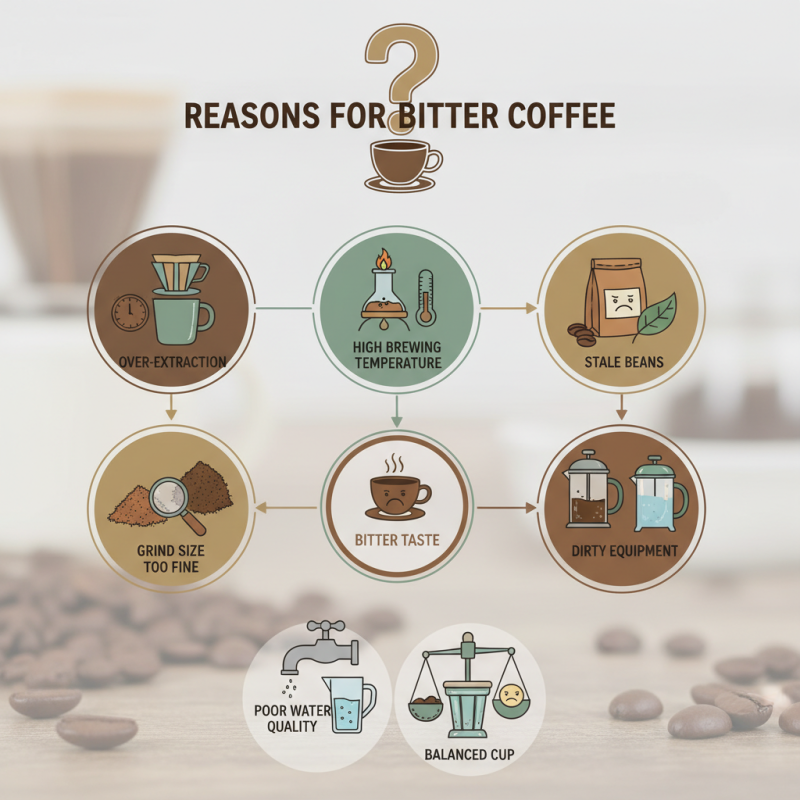
One major reason for bitterness is over-extraction. This happens when water absorbs too much from the coffee grounds. Cooking beans at high temperatures can also contribute to unwanted bitter notes. Freshness matters, too. Stale beans lose their vibrant flavors and may introduce harshness. The grind size is another key element. A grind that's too fine can lead to excessive extraction, making your coffee taste unpleasant.

Many enthusiasts overlook the importance of water quality. Using hard or unfiltered water may result in off-flavors. Equipment cleanliness is crucial as well. Old coffee oils can taint the brew. Reflecting on these variables can help you create a more balanced cup. Instead of settling for bitterness, take a moment to evaluate your coffee-making process.
Why Does My Coffee Taste Bitter Every Time I Brew It?

Understanding Bitter Coffee: Causes and Solutions

Bitter coffee is a common issue for many enthusiasts. Often, the bitterness stems from over-extraction during brewing. When coffee grounds are steeped for too long, they release unwanted compounds that can overwhelm the palate. This is particularly true for dark roasts, which are already prone to bitterness.

Water temperature plays a significant role, too. If the water is too hot, it can extract those bitter notes. Ideally, aim for water between 195°F and 205°F. Additionally, the grind size matters; a fine grind may lead to a quicker over-extraction. Experimenting with a coarser grind can help mitigate bitterness.

Adjusting the coffee-to-water ratio is crucial as well. Using too much coffee can amplify bitterness. A standard rule is to use one to two tablespoons of coffee per six ounces of water. Small adjustments can significantly improve taste. Reflecting on these factors may lead to a better brewing experience. Remember, each cup is an opportunity for refinement.

Common Brewing Mistakes That Lead to Bitter Coffee

Bitter coffee can ruin your morning. Many factors contribute to this common issue. Understanding the most frequent brewing mistakes is crucial.

One major mistake is using water that is too hot. Ideally, your brewing temperature should be between 195°F and 205°F. If the water is boiling, it can over-extract flavors from the coffee grounds, leading to bitterness. Aim for a cooler brewing method when needed.

Another common issue is the grind size. If the coffee is too finely ground, it can release too many bitter compounds during brewing. Coarse grinds tend to yield smoother flavors. If your coffee tastes burnt, consider adjusting the grind and trying a new brewing time.

Lastly, the coffee-to-water ratio is essential. Too much coffee can overpower the brew. A good rule of thumb is 1 to 2 tablespoons of coffee for every six ounces of water. Brew responsibly and enjoy a better cup.

The Role of Coffee Bean Quality in Flavor Profile

The quality of coffee beans significantly impacts the flavor profile of your brew. Beans that are overripe or poorly processed can lead to unwanted bitterness. The origin of the beans also plays a role. Beans from certain regions may have distinct flavor profiles. It's fascinating to note how different environments affect taste.

Freshness is another key factor. Stale beans often lose their delicate flavors. Bitter notes become more pronounced in older beans. Roasting techniques also contribute. Dark roasts can taste more bitter than lighter roasts. It's important to find a roast that suits your palate.

Consider your brewing method too. Over-extraction during brewing can amplify bitterness. Using the correct grind size enhances the brewing process. If your coffee tastes off, reflect on each component—from bean quality to brewing technique. Tuning these elements can elevate your coffee experience.

Why Does My Coffee Taste Bitter Every Time I Brew It? - The Role of Coffee Bean Quality in Flavor Profile

Coffee Bean Type Quality Rating Acidity Level Flavor Notes Bitterness Level
Arabica High Medium Fruity, Sweet Low
Robusta Medium Low Nuts, Chocolate High
Liberica Medium High Floral, Fruity Medium
Excelsa Medium Medium Fruity, Tart Medium

Impact of Water Temperature on Coffee Taste

Water temperature plays a crucial role in brewing coffee. If the water is too hot, it can extract undesirable compounds from the coffee grounds. This often leads to a bitter taste. The ideal temperature range for brewing is around 195°F to 205°F (90°C to 96°C). Brewing at lower temperatures can result in under-extraction, causing a sour taste.

Every brewing method is different. For example, a French press allows for longer steeping times. However, using water that is too hot can spoil even this method. Many enthusiasts find this balance challenging. They might brew coffee that tastes harsh or overly bitter, even with the right beans.

Experimenting with water temperature is essential for finding that perfect flavor. If your coffee always ends up bitter, try lowering the water temperature. Additionally, consider the grind size and brew time. Each element influences the final outcome. It’s a process of trial and error. Don’t be afraid to adjust your methods and taste often. Sometimes, the journey is just as important as the destination.

Impact of Water Temperature on Coffee Taste

This chart illustrates the relationship between water temperature and bitterness level in coffee. As the water temperature increases, the bitterness level tends to rise, often leading to an undesirable taste.

Exploring Grinding Techniques for Balanced Flavor

Grinding techniques play a crucial role in the flavor profile of coffee. A uniform grind can enhance extraction, leading to balanced flavors. However, many people overlook this step. Uneven grinding often results in bitter notes overshadowing the desired taste. It’s essential to choose the right grind size based on your brewing method.

For espresso, a fine grind is necessary, but it can be tricky. If the coffee is ground too fine, it can create over-extraction. This bitterness creeps into the cup, ruining the tasting experience. Conversely, a coarser grind works better for methods like French press. Here, over-extraction is less likely, and flavors have room to shine.

Experimenting with grind size and technique is vital. Beginners might find it challenging, but small adjustments can make a big difference. Paying attention to your grinder can also help. Blade grinders often produce uneven grinds, whereas burr grinders create consistency. Choosing the right tool could be the key to unlocking a better brew.

FAQS

: What causes bitter coffee?

: Bitter coffee often results from over-extraction during brewing or using water that's too hot.

What is over-extraction?

Over-extraction happens when coffee grounds steep too long, releasing unwanted bitter compounds into the brew.

How can water temperature affect my coffee?

Water temperature should be between 195°F and 205°F. Too hot water extracts bitter notes.

What grind size should I use?

A coarse grind is preferred. Fine grinds can lead to quicker over-extraction, making coffee bitter.

How much coffee should I use per cup?

Use one to two tablespoons of coffee for every six ounces of water for optimal flavor.

What adjustments can improve my coffee?

Experiment with grind size, brewing time, and the coffee-to-water ratio. Small changes can enhance taste.

What if my coffee still tastes burnt?

If your coffee tastes burnt, adjust the grind size and brew time for a smoother flavor.

Can I fix bitter coffee after brewing?

It's challenging to fix bitterness after brewing, but adding milk or sugar might balance the flavor.

Should I reflect on my brewing process?

Yes, reflecting on your brewing habits can lead to improvements and a better coffee experience.

Is it okay to make mistakes while brewing?

Mistakes are part of the process. Learn from them, and keep refining your technique for better results.

Conclusion

If you often find yourself asking, "Why does my coffee taste bitter every time I brew it?", understanding the various factors that contribute to this issue can help. Common causes of bitterness include over-extraction during brewing and the quality of the coffee beans used. You might also be making brewing mistakes, such as using water that is too hot or grinding the beans too finely, which can lead to an unbalanced flavor profile.

To improve your coffee experience, it's essential to pay attention to brewing techniques and select high-quality coffee beans. Experimenting with water temperature and grinding techniques can make a significant impact on the taste of your brew. By addressing these elements, you can enjoy a smoother, more balanced cup of coffee that eliminates the unwanted bitterness.

Amelia

Amelia

Amelia is a seasoned marketing professional with a wealth of expertise in our company’s core offerings. With an unwavering passion for driving growth and innovation, she plays a pivotal role in shaping our marketing strategies and enhancing brand visibility. A key aspect of her responsibilities......