Why Does My Coffee Always Taste Bitter Every Time?

Time:2026-08-18 Author:Henry
0%

Many coffee lovers find themselves asking, "Why does my coffee taste bitter every time?" This common frustration can stem from several factors. Renowned coffee expert James Hoffman once stated, “Over-extraction is the enemy of a perfect brew.” His insight highlights the delicate balance needed in the coffee-making process.

Bitter coffee often results from brewing at too high a temperature or using the wrong grind size. For instance, if your coffee beans are ground too finely, they can release unwanted bitter compounds during brewing. This issue is particularly relevant for those who enjoy French press or espresso, where the brewing time is longer. Additionally, stale beans can exacerbate bitterness, ruining even the best brewing techniques.

It's also essential to consider the water quality and coffee-to-water ratio. Hard water can affect flavor, and an improper ratio may lead to over-extraction. Experimenting with different beans and brewing methods can reveal surprising results. Reflecting on your process may lead to that perfect cup, transforming bitterness into a delightful experience. Understanding "Why does my coffee taste bitter every time" is a journey worth taking for every coffee enthusiast.
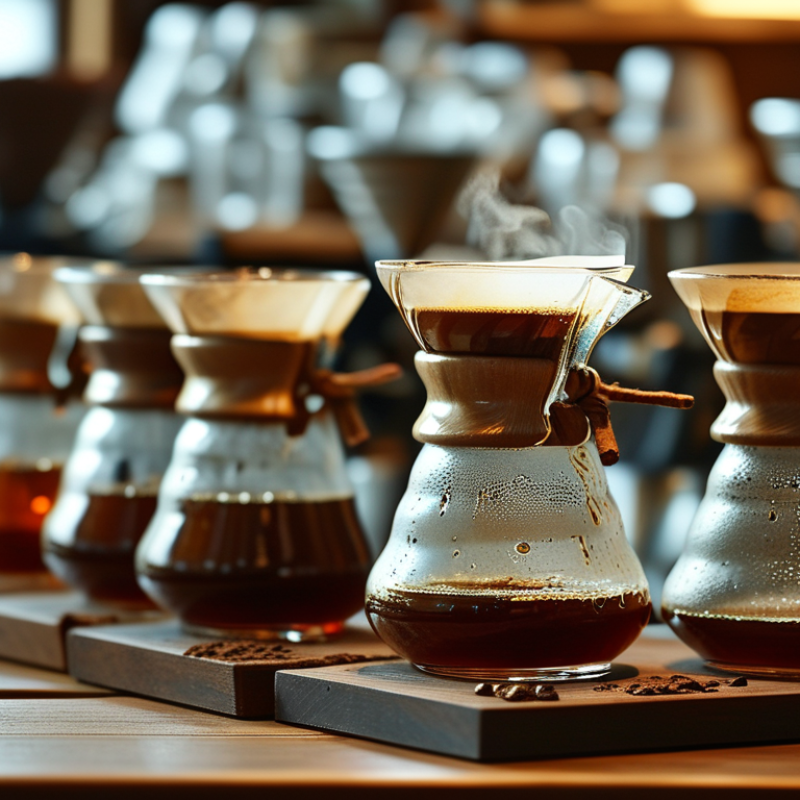
Why Does My Coffee Always Taste Bitter Every Time?

Understanding the Basics of Coffee Brewing

Brewing coffee is an art that requires attention to detail. Many people struggle with bitterness in their coffee. Understanding the brewing process is essential to achieving the perfect cup. The bitterness often comes from over-extraction. This occurs when water extracts too many compounds from the coffee grounds. Analyzing your brewing method can help you find where it goes wrong.

One tip to consider is the grind size of your coffee. A finer grind increases surface area, which can lead to bitterness. Experiment with coarser grinds if your coffee tastes harsh. Another critical factor is water temperature. Ideally, water should be between 195°F and 205°F. Water that is too hot can cause bitterness as well.

Pay attention to your brewing time. Shorten steeping times for lighter brews and lengthen them for fuller flavors. Remember, the coffee's freshness also plays a vital role. Stale coffee can taste off, so try to use freshly roasted beans. Each brewing method has its quirks. Embrace the learning process. It’s perfectly normal to make mistakes along the way.

Common Causes of Bitter Flavor in Coffee

Many coffee lovers often find their cup bitter. Several factors contribute to this unpleasant flavor. Over-extraction during brewing is a leading cause. When coffee grounds are steeped for too long, they release compounds that create bitterness. Uneven grind size can also affect extraction. Coarse pieces may produce a weak flavor, while fine ones can yield excessive bitterness.

Water quality plays a crucial role in coffee taste. Hard water can introduce unwanted minerals, affecting flavor. Conversely, overly soft water might lack the essential elements that enhance coffee.

Tips: Use filtered water for a cleaner taste. Experiment with different grind sizes. A consistent grind can help achieve balanced extraction. Additionally, pay attention to your brewing time. A timer can help you avoid over-extracting your coffee. If bitterness persists, consider adjusting your coffee-to-water ratio. Finding the right balance takes time and patience. The perfect cup is often a work in progress.

Why Does My Coffee Always Taste Bitter Every Time? - Common Causes of Bitter Flavor in Coffee

Cause Description Solution
Over-roasting Beans Beans that are roasted too long can develop a burnt taste, leading to bitterness. Choose lighter roasts, or ensure proper roast times and temperatures.
Incorrect Brewing Temperature Water that is too hot can extract bitter compounds from the coffee. Use water between 195°F and 205°F (90°C to 96°C) for brewing.
Brewing Time Over-extraction can occur if coffee brews for too long. Adjust brewing time according to your method; typically 4-5 minutes for drip coffee.
Poor Quality Coffee Low-quality beans may carry bitterness from the start. Invest in high-quality, freshly roasted beans.
Old Coffee Grounds Stale grounds can lead to a bitter taste as flavor compounds degrade. Use freshly ground coffee and store beans in an airtight container.
Inappropriate Grind Size Too fine a grind can cause over-extraction, leading to bitterness. Adjust grind size according to your brewing method; use a coarser grind for French press.

The Role of Water Quality in Coffee Taste

Water quality significantly impacts the taste of coffee. It's surprising how many coffee enthusiasts overlook this crucial element. Research shows that about 98% of a cup of coffee is water. If your water contains high levels of chlorine or minerals, it can adversely affect flavor.

A report from the Specialty Coffee Association indicates that water with a balanced mineral content can enhance the coffee experience. Ideal water should contain calcium and magnesium but must be free of impurities. Water acidity is also vital. Too much acidity can lead to a bitter taste. This is often a common complaint among coffee drinkers.

The hardness of water also plays a role. Soft water can result in a flat taste, while hard water may lead to over-extraction. Over-extraction often contributes to that undesirable bitterness. In a world obsessed with the perfect brew, focusing on water quality is often neglected. Regular testing of home water can prevent bitterness and create a more enjoyable coffee experience.

Impact of Water Quality on Coffee Taste

How Grinding Size Affects Coffee Flavor

When it comes to coffee, the grind size plays a vital role in determining its flavor profile. A finer grind increases the surface area of coffee beans. This allows for more extraction of flavors during brewing. However, when coffee is ground too fine, it can lead to over-extraction. This often results in a bitter taste, overshadowing the coffee's natural flavors. According to the Specialty Coffee Association, the ideal grind size varies based on brewing method, with finer grinds recommended for espresso and coarser grinds for French press.

The extraction process is delicate. Too little brewing time with a fine grind can also result in a sour taste. Ideally, a balance is needed. A study published in the Journal of Food Science indicated that most coffee drinkers prefer a smooth taste. Ensuring the right grind size is key to achieving this. Measurements show that a grind size that allows a 20-30% extraction yields a well-rounded flavor.

Experimentation is crucial. Every coffee type has different optimal grind sizes. Without proper testing, finding the ideal fit is a challenge. Inconsistent grind size can also lead to uneven extraction. This often results in a cup that is both bitter and sour. Monitoring and adjusting the grind size can transform your coffee experience.

Tips to Improve Your Coffee's Taste and Reduce Bitterness

Bitterness in coffee can stem from several factors. Over-roasted beans often lead to unwanted flavors. Choose medium roasts for a balanced taste. Freshness matters too. Coffee loses its flavor quickly after grinding. Try grinding your beans just before brewing.

Water temperature plays a significant role. If your water is too hot, it extracts more bitterness. Aim for temperatures around 195 to 205 degrees Fahrenheit. Brewing time is crucial as well. A short brew can leave under-extracted flavors. However, a long brew might over-extract and cause bitterness.

Experimenting with your brewing method can yield better results. Pour-over techniques can enhance nuanced flavors. Using a French press may offer a fuller body but can introduce bitterness if steeped too long. Always taste your coffee critically and adjust your methods accordingly for the best cup.

FAQS

: What causes bitterness in coffee?

: Bitterness often results from over-extraction during brewing. This happens when too many compounds are extracted from the grounds.

How can grind size affect coffee flavor?

A finer grind increases extraction but can lead to bitterness. A coarser grind may help reduce harshness in taste.

What is the ideal water temperature for brewing coffee?

Water should be between 195°F and 205°F. Higher temperatures can extract unwanted bitterness.

How does brewing time impact coffee taste?

Shorter brewing times suit lighter flavors, while longer times can enhance full-bodied brews. Over-brewing can cause bitterness.

Why is coffee freshness important?

Freshly roasted coffee beans retain better flavor. Stale coffee loses its natural taste and may taste off.

What should I do if my coffee tastes off?

Analyze grind size, water temperature, and brewing time. Experimenting can help identify the cause of undesirable flavors.

How do different brewing methods impact taste?

Methods vary; pour-over may enhance flavor, while French press may add body but risk bitterness if steeped too long.

How can I reduce bitterness while brewing?

Choose medium roasts, grind just before brewing, and monitor water temperature and brewing time closely.

What does "experimenting with grind size" mean?

Testing various grind sizes helps achieve optimal extraction. Each type of coffee has different preferences for grind texture.

Is it okay to make mistakes while brewing coffee?

Yes, mistakes are part of the learning process. Embrace them to improve and understand your brewing style better.

Conclusion

If you’ve ever wondered, "Why does my coffee taste bitter every time?" there are several factors to consider when it comes to brewing the perfect cup. First, understanding the basics of coffee brewing can help you achieve a balanced flavor. A common cause of bitterness often stems from over-extraction during the brewing process, which can occur if the coffee grounds are brewed for too long or if the water temperature is too high.

Additionally, the quality of water used plays a significant role in the final taste of your coffee. Using hard or overly chlorinated water can impart unpleasant flavors. The grind size of your coffee beans is equally important; too fine of a grind can lead to over-extraction, while too coarse may result in under-extraction. To improve your coffee’s taste and reduce bitterness, try adjusting your brewing time, optimizing grind size, and ensuring that you use fresh, filtered water. Making these adjustments can enhance your coffee experience and help you enjoy a smoother, more flavorful brew.

Henry

Henry

Henry is a dedicated marketing professional with a profound expertise in the company's offerings. With years of experience in the industry, he possesses an impressive understanding of the market dynamics and consumer behaviors that drive success. Henry is committed to sharing his insights through......