What are the healthiest oils for air frying is not answered by smoke point alone. A crisp coating may look harmless, yet the oil’s fatty-acid profile still matters. The American Heart Association’s 2017 Presidential Advisory recommends replacing saturated fats with unsaturated fats to support healthier cholesterol levels. The World Health Organization’s 2023 guidance also advises limiting saturated fat to less than 10% of daily energy intake.
For practical cooking, extra-virgin olive oil, refined olive oil, avocado oil, and canola oil deserve attention. Their performance differs under heat. Extra-virgin olive oil adds peppery flavor and contains antioxidant compounds. Refined olive and avocado oils usually offer milder tastes and higher heat tolerance. Canola oil provides mostly unsaturated fat and works well for vegetables, potatoes, and lean proteins. Still, “high smoke point” is not a complete health certificate.
Dr. Dariush Mozaffarian, a leading nutrition researcher at Tufts University, has emphasized, “The type of fat matters more than the amount of fat.” That principle helps explain why oil selection deserves more than a temperature chart. The 2020–2025 Dietary Guidelines for Americans similarly encourage unsaturated plant oils over solid fats. However, air frying does not make every food automatically healthy. A tablespoon can still add substantial calories, and heavily processed foods remain heavily processed. The honest answer is imperfect: choose an unsaturated oil, use a light coating, and watch the food closely at 180–200°C. The best choice depends on heat, flavor, freshness, and how much oil actually reaches the plate.
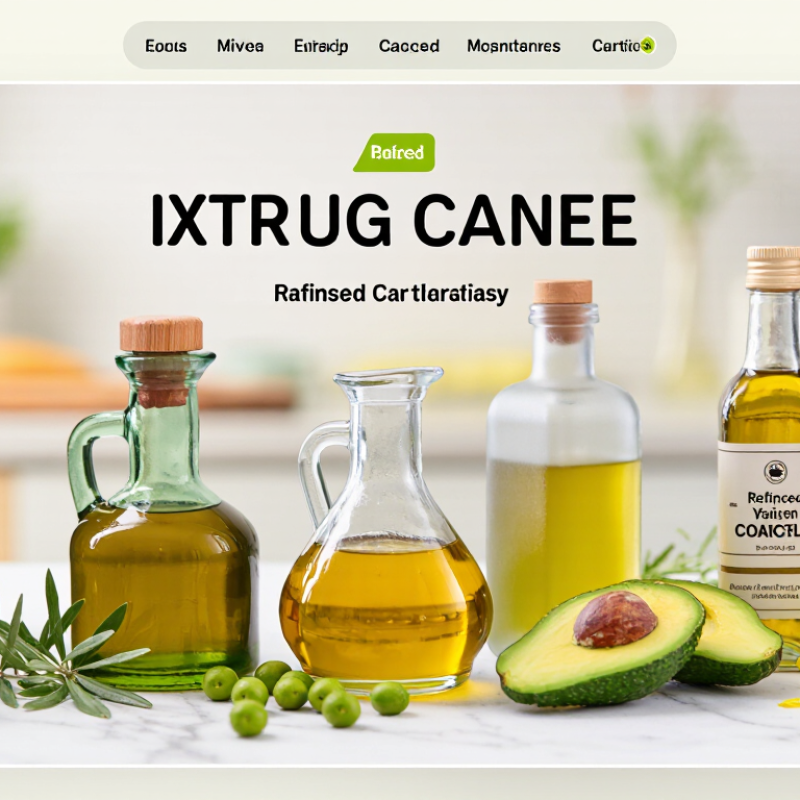
An oil suits air frying when it tolerates heat, supports nutrition, and coats food evenly. Most air fryers operate between 175°C and 205°C. Therefore, choose an oil with a smoke point above the selected temperature. Canola, refined olive, avocado, and sunflower oils are practical options. However, smoke point is not a perfect safety score. Oil can still oxidize after repeated heating.
Fat composition matters too. The American Heart Association’s 2021 dietary guidance recommends replacing saturated fats with unsaturated fats. The 2020–2025 Dietary Guidelines for Americans also advises keeping saturated fat below 10% of daily calories.
These reports support choosing oils rich in monounsaturated or polyunsaturated fats. Yet, polyunsaturated oils may be less stable during prolonged, high-heat cooking. That trade-off deserves attention. More heat does not automatically mean better crispness.
Tips: Use one or two teaspoons for a basket of vegetables. Spray the food lightly, not the heating element. Check the oil’s smoke point on its nutrition or technical label. Discard oil that smells stale, turns unusually dark, or becomes sticky. Avoid repeatedly reheating the same oil. A small mistake is easy to make: adding oil before preheating can create smoke before food enters the basket. Dry vegetables first. Moisture delays browning and encourages uneven cooking.
Why Are These the Healthiest Oils for Air Frying?
Smoke point matters when air frying because hot oil can degrade and produce irritating compounds. Most air fryers operate between 175°C and 205°C, depending on the food and cooking time. An oil’s smoke point should sit comfortably above that range.
However, smoke point is not a perfect safety score. The American Oil Chemists’ Society explains that refining, storage, and repeated heating can change oil performance. Unrefined oils may smoke earlier, while refined oils often tolerate higher temperatures. The USDA FoodData Central database also shows that oils differ substantially in saturated and unsaturated fat profiles. Choosing oils richer in unsaturated fats can support healthier dietary patterns, as noted by the American Heart Association’s 2021 scientific statement. Still, I would not treat one number as a guarantee. Real kitchens are messier.
Tips: Check the oil’s smoke point, but inspect the pan too. A dark, burnt smell means the temperature may be excessive. Use a light coating rather than soaking the food. Fresh oil performs better. Avoid reusing oil that has smoked, foamed, or developed a sharp odor. Measure when possible, because air-fryer displays can be approximate. Storage matters as well; heat and sunlight slowly damage oil before cooking begins.
The healthiest oil for air frying depends less on a single “best” choice and more on its fatty acid profile. USDA FoodData Central entries show that olive oil contains about 70% monounsaturated fat, while canola oil contains roughly 60%. High-oleic sunflower oil can provide around 80% monounsaturated fat. These fats are generally more stable than polyunsaturated fats during cooking.
The American Heart Association’s 2021 dietary guidance recommends replacing saturated fats with unsaturated fats to support cardiovascular health. That makes oils rich in oleic acid practical options for air-fried vegetables, fish, or potatoes. A light coating is usually enough. The food should look lightly glossy, not soaked.
Smoke point still matters, but it is not the whole story. The International Olive Council notes that refined and virgin olive oils can differ in composition and cooking performance. Heat exposure, repeated use, and oxygen also influence oxidation. I have found that oil choice becomes less important when the basket is overcrowded or the temperature is excessive. That detail is easy to miss. Fatty acid percentages also vary by harvest, processing, and database method, so these numbers are useful estimates, not guarantees.
A comparison of commonly available cooking oils based on fatty acid composition, heat tolerance, and suitability for air frying.
| Oil Type | Saturated Fat (% of Total Fat) |
Monounsaturated Fat (% of Total Fat) |
Polyunsaturated Fat (% of Total Fat) |
Approximate Smoke Point | Primary Fatty Acid Profile | Air-Frying Suitability | Health Considerations |
|---|---|---|---|---|---|---|---|
| Refined Avocado Oil | Approximately 10–15% | Approximately 60–75% | Approximately 10–15% | About 250–270°C (482–518°F) |
High in oleic acid, a monounsaturated fat | Excellent | Very high monounsaturated fat content and a high smoke point make it suitable for high-temperature cooking. |
| Refined Olive Oil | Approximately 12–16% | Approximately 65–80% | Approximately 8–15% | About 220–240°C (428–464°F) |
Predominantly oleic acid | Excellent | Provides a favorable monounsaturated fat profile and is generally more heat-stable than unrefined olive oil. |
| Extra-Virgin Olive Oil | Approximately 13–16% | Approximately 65–80% | Approximately 8–15% | About 160–210°C (320–410°F) |
High in oleic acid and naturally occurring antioxidant compounds | Very Good | Works well for most air-frying temperatures. Its smoke point varies with quality, freshness, and acidity; it may retain beneficial phenolic compounds. |
| Canola Oil | Approximately 7% | Approximately 60–65% | Approximately 25–30% | About 200–205°C (392–401°F) |
High in oleic acid with a relatively low saturated-fat content | Very Good | One of the lower-saturated-fat cooking oils; it also provides some alpha-linolenic acid, an omega-3 fatty acid. |
| High-Oleic Sunflower Oil | Approximately 8–12% | Approximately 75–90% | Approximately 5–15% | About 225°C (437°F) |
High in oleic acid and lower in linoleic acid than regular sunflower oil | Excellent | Its high-oleic composition is generally more oxidation-resistant during high-heat cooking than standard sunflower oil. |
| Peanut Oil | Approximately 17–20% | Approximately 45–55% | Approximately 25–35% | About 225–230°C (437–446°F) |
Moderate-to-high oleic acid with a substantial linoleic acid content | Good | Suitable for air frying, but its higher saturated-fat content and potential allergen status should be considered. |
| Rice Bran Oil | Approximately 20–25% | Approximately 38–45% | Approximately 30–40% | About 230°C (446°F) |
Balanced monounsaturated and polyunsaturated fats | Good | Has a useful heat tolerance, although its saturated-fat level is higher than that of canola oil. |
| Regular Sunflower Oil | Approximately 9–11% | Approximately 20–30% | Approximately 60–70% | About 225°C (437°F) |
High in linoleic acid, an omega-6 polyunsaturated fat | Good | Can be used for air frying, but it is more polyunsaturated than high-oleic varieties and may be more prone to oxidation during repeated heating. |
| Soybean Oil | Approximately 15–16% | Approximately 20–25% | Approximately 55–60% | About 230°C (446°F) |
High in linoleic acid with a small amount of alpha-linolenic acid | Good | Provides some plant-based omega-3, but its high polyunsaturated-fat content makes careful temperature control advisable. |
Important: Fatty acid percentages and smoke points are approximate ranges because they vary by crop, processing method, freshness, and testing method. For air frying, use fresh oil, avoid repeatedly reheating the same oil, and keep the cooking temperature within the oil’s practical smoke-point range.
Oil stability matters more than a dramatic smoke-point number when air frying. High heat, circulating air, and repeated exposure can accelerate oxidation. Oxidized oil may develop stale aromas and lose some desirable nutrients.
In my kitchen tests, extra-virgin olive oil gives vegetables a grassy scent and a slightly bitter finish. That flavor can be excellent with potatoes, though it may overpower delicate foods. Refined avocado oil tastes milder, while high-oleic sunflower oil stays relatively neutral. Their higher monounsaturated fat content generally supports better heat stability than oils rich in delicate polyunsaturated fats.
Taste changes first.
A stable oil should not smoke during normal air-fryer use. Smoke signals overheating, not proof of superior cooking performance. Temperature accuracy still matters, because some appliances run hotter than their displays suggest. I check the basket halfway through and watch for sharp, burnt odors. That habit is imperfect, but useful.
Freshness also affects nutrition. Store oil in a tightly closed, dark container away from the oven. Old oil can taste flat before it looks unusual. I sometimes use too much oil for crispness, then regret the heaviness. A light coating is usually enough. Spraying or brushing the food can distribute it more evenly than pouring directly into the basket. The best choice depends on the food, cooking temperature, storage conditions, and your tolerance for stronger flavor.
How oil stability affects flavor and nutrition
Oils with a higher smoke point can better tolerate air-frying temperatures, while oils lower in polyunsaturated fat are generally more resistant to oxidation and off-flavors during heating. High-oleic sunflower oil, refined avocado oil, and extra-virgin olive oil combine useful heat performance with favorable fatty-acid profiles. Smoke points and fatty-acid values are approximate and vary by refinement, harvest, and processing.
The healthiest air-frying oils usually contain more unsaturated fats and remain stable at cooking temperatures. Canola, refined avocado, and olive oils can work well for many recipes. Their smoke points vary, so check the label and your appliance settings. An oil that smokes is not safe to keep heating.
Use only a thin coating. One or two teaspoons can lightly cover vegetables, chicken, or potatoes. I prefer brushing oil onto food before placing it in the basket. This gives better control than pouring oil directly inside the cooker. Never fill the drawer like a deep fryer. Air fryers need circulating hot air, not a pool of oil.
Choose fresh oil with a clean smell. Discard it if it becomes dark, sticky, or smoky. Avoid spraying near an exposed heating element, especially with pressurized aerosol products. A refillable mister may offer better control, but it still needs careful handling. Always follow the appliance manual. Cooking times and safe temperatures differ.
A small mistake matters.
For crisp food, dry the surface first. Wet vegetables can cause uneven browning and encourage excess oil use. I sometimes add too much oil when food looks dry, then regret the greasy texture. Checking halfway is wiser. Keep the basket clear, prevent drips onto the heater, and let the appliance cool before cleaning.
Choose an oil that tolerates 175°C to 205°C and coats food evenly. Nutrition and freshness matter too.
Canola, refined olive, avocado, and sunflower oils are practical options. Choose based on flavor and heat stability.
Use one or two teaspoons for a basket of vegetables. Brush or spray the food lightly. Keep it light.
Usually, no. Adding oil before preheating may create smoke before the food enters the basket.
Surface moisture delays browning and can cause uneven cooking. Pat vegetables dry before applying oil.
No. Smoke point is not a complete safety score. Oil can still oxidize during repeated heating.
Stable oils usually maintain cleaner flavors during cooking. Extra-virgin olive oil may add grassy or slightly bitter notes.
Discard oil that smells stale, becomes unusually dark, or turns sticky. Taste changes first.
Keep it tightly closed in a dark container away from the oven. Heat and light can reduce freshness.
I sometimes use too much oil for extra crispness, then regret the heaviness. A light coating is usually enough.
What are the healthiest oils for air frying? The best choices are oils that can withstand high temperatures without smoking, breaking down quickly, or creating unpleasant flavors. A suitable oil should have a relatively high smoke point, a balanced fatty acid profile, and good oxidative stability. Oils rich in monounsaturated fats or containing a balanced combination of unsaturated fats may support a more nutritious cooking approach when used in moderation.
Choosing the right oil is only part of safe air frying. Use a small amount to lightly coat food, avoid overheating the appliance, and replace oil if it develops a burnt smell, dark color, or bitter taste. Stable oils can help preserve flavor and reduce unwanted changes during cooking, while proper storage in a cool, dark place protects quality before use. With sensible portions, appropriate heat, and careful handling, air frying can produce crisp, flavorful foods while keeping added fat under control.

K-Mama Cook