Top 10 Ways to Vacuum Seal Liquids for Easy Storage?

Time:2026-07-04 Author:Mason
0%

Vacuum sealing liquids for storage can be a game changer in food preservation. Many face challenges when trying to keep their soups, sauces, or marinades fresh. Knowing how to vacuum seal liquids for storage is essential for maintaining flavor and extending shelf life.

One common issue arises from liquid spillage during the sealing process. If not handled correctly, this can compromise the vacuum seal, leading to spoilage. It is crucial to use the right techniques and equipment to avoid such pitfalls. Proper tools and methods ensure liquids stay contained, extending their usability.

Alongside knowledge, experience plays a vital role in mastering this skill. Those who frequently store liquids will find effective strategies that work best for them. There may still be room for improvement. Paying attention to details can make a significant difference in the outcome. Embrace both successes and learning moments in this journey of vacuum sealing liquids.
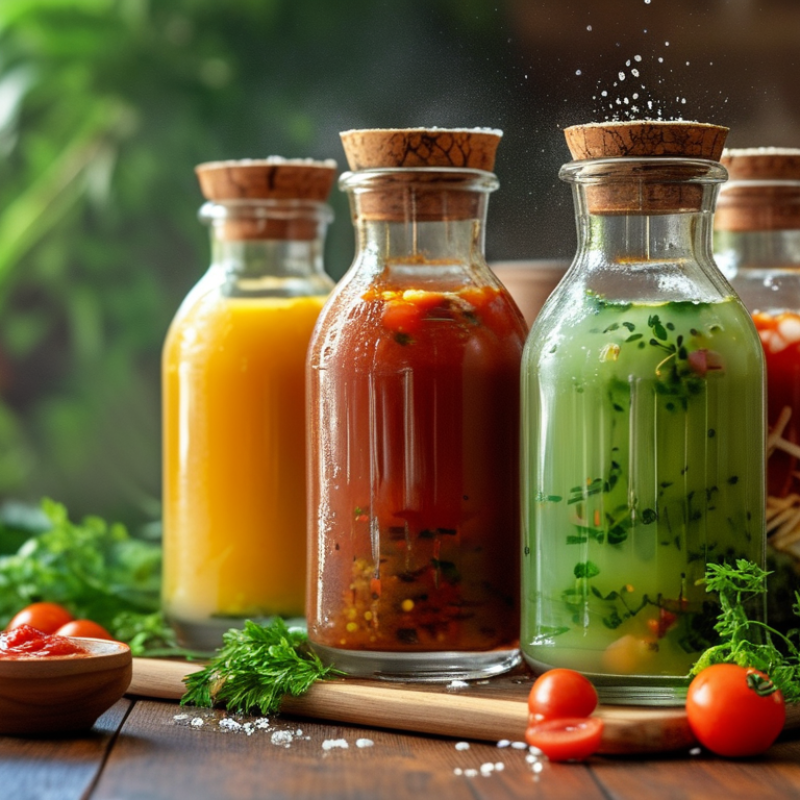
Top 10 Ways to Vacuum Seal Liquids for Easy Storage?

Understanding Vacuum Sealing and Its Benefits for Liquids

Vacuum sealing liquids is a game changer for home storage. Research shows that vacuum sealing can extend the shelf life of foods up to five times longer than traditional storage methods. This is due to minimizing air exposure, which slows down spoilage. Liquids, such as soups or sauces, require special techniques. They help reduce mess and waste.

To successfully vacuum seal liquids, consider freezing them in the desired portion sizes first. Once solid, place them in the sealing bags. This method prevents liquid from being sucked out during the sealing process. Another effective strategy is using canning jars designed for vacuum sealing. These jars create a tight seal while keeping contents safe.

Tip: Always leave space in bags to allow for expansion when sealing liquids. This helps prevent spills. Mistakes can happen, like sealing too quickly or not cleaning the nozzle. Regularly check equipment for wear and damage.

Understanding these techniques adds versatility to your kitchen. By harnessing vacuum sealing, you can save time and reduce food waste. Monitoring your sealing process will yield better results and enhance your cooking experience.

Top 10 Ways to Vacuum Seal Liquids for Easy Storage

This chart illustrates the ease of use rating for various methods of vacuum sealing liquids, providing insight into which methods may be most convenient for storage purposes.

Essential Equipment for Vacuum Sealing Liquids Effectively

When it comes to vacuum sealing liquids, having the right equipment is crucial. A good vacuum sealer is essential for removing air efficiently. Look for models that include a liquid detection feature. This helps to avoid messes during the sealing process. A wide roll of vacuum seal bags is also beneficial. You can cut the size based on your needs, which is great for varying quantities.

In addition to a vacuum sealer, consider using mason jars. These jars are perfect for sealing soups, sauces, and marinades. You can use them with a vacuum attachment. This ensures an airtight seal that keeps food fresh for longer. It’s important to remember not to overfill the jars. Liquid can expand during the sealing process, leading to failed seals.

Using vacuum sealing techniques for liquids can be tricky. Sometimes, excess liquid can end up in the sealer. This can result in a messy cleanup. Practice makes perfect. Experiment with different liquids to gauge their sealing properties. Seek out tips from experienced users to improve your technique and avoid common pitfalls. Each attempt can provide valuable insights into perfecting your vacuum sealing method.

Step-by-Step Guide to Vacuum Seal Liquids in Bags

Vacuum sealing liquids can be challenging but rewarding. This method greatly enhances storage life and minimizes waste. To begin, ensure you select the right type of vacuum bags. Many experts recommend using heavy-duty bags designed specifically for liquids. The thickness prevents leaks and tears during the sealing process.

Prepare your liquids by allowing them to cool if they are hot. This step is crucial to avoid melting your bags. Next, fill the bags, leaving enough space at the top. This space is necessary for creating an effective seal.

According to the Food and Drug Administration (FDA), proper vacuum sealing can extend the shelf life of liquids by 3 to 5 times compared to traditional storage methods.

Once filled, use a vacuum sealer with adjustable settings. Avoid over-sealing, which can compress the liquids and damage the bag. Check for air bubbles before sealing; even small pockets can compromise the integrity. Regularly review your sealing techniques to identify areas for improvement. Adapting your approach based on the liquids being stored can yield better results.

Always monitor stored liquids for any signs of spoilage. Making adjustments is part of the learning curve in vacuum sealing.

Sealing Liquids in Containers: Techniques and Best Practices

Vacuum sealing liquids can be tricky, yet essential for efficient food storage. The right technique improves longevity and freshness. Begin by selecting appropriate containers or pouches that can withstand vacuum sealing. According to industry reports, sealing in rigid containers, such as jars, is often the best choice for liquids. They minimize spills and maintain shape under pressure.

When using a vacuum sealer, it’s vital to leave enough space at the top of the container. Overfilling can lead to liquids escaping during the sealing process. The National Center for Home Food Preservation recommends leaving at least an inch of headspace. This ensures a tight seal and prevents mess.

Tips: Chill soups or sauces before sealing. Cold liquids are less likely to splatter. Consider using a ladle for more controlled pouring.

Another approach is to use a specific attachment designed for liquids. These devices can help manage and control the vacuum pressure, making it easier to seal without any leakage. Always check for air pockets after sealing; they can compromise food safety.

Ultimately, mastering liquid vacuum sealing involves practice and precision. Mistakes may occur, but learning from them enhances the process. Adjusting techniques based on your experiences will lead to better results in preserving your favorite liquids.

Tips for Storing Vacuum-Sealed Liquids to Maximize Freshness

Vacuum sealing liquids can be challenging, but proper storage maximizes freshness. Ensure containers are suitable for vacuum sealing. Use rigid jars for soups or sauces. Avoid using soft bags, as they can burst under pressure.

When sealing liquids, leave space at the top of your jars. This prevents spills and allows for expansion. For better results, freeze liquids briefly before sealing. They become thicker, reducing mess during the sealing process. After sealing, store jars upright on a shelf. This maintains vacuum integrity and avoids leakage.

Label each jar with contents and date. This helps track freshness effectively. Use within your designated timeframe to enjoy optimal taste. Regularly check for any signs of spoilage. A quick inspection keeps your storage efficient and safe.

Top 10 Ways to Vacuum Seal Liquids for Easy Storage

Method Description Best for
Using a Vacuum Sealer Utilize a vacuum sealer designed for liquids, which has special bags or containers. Soups, sauces
Freezing in Containers Freeze liquids in rigid containers before vacuum sealing. Broths, smoothies
Using a Straw Seal the bag with a straw inserted and suck out the air before sealing completely. Juices, marinades
Rapid Freezing Pour liquid into a bag, freeze until solid, then vacuum seal. Stir-fries, homemade baby food
Using Vacuum Canisters Use specialized canisters to vacuum seal liquids safely. Dressings, dips
Layering Technique Layer liquids with solid ingredients in a vacuum bag, sealing carefully. Stews, casseroles
Use Ice Cubes Freeze liquids in ice cube trays, then vacuum seal the cubes. Smoothies, cocktail mixers
Portion Control Divide liquids into smaller portions before sealing for convenience. Servings for individual meals
Be Mindful of Fill Lines Ensure liquids do not exceed the designated fill lines in vacuum bags. All liquids
Label Clearly Use permanent markers to label bags with contents and date. All sealed liquids

FAQS

: What equipment is essential for vacuum sealing liquids?

: A good vacuum sealer is crucial for effective sealing. Look for models with liquid detection features.

Can I use mason jars for vacuum sealing?

Yes, mason jars are great for sealing liquids like soups and sauces. Use them with a vacuum attachment.

What should I avoid when using mason jars?

Do not overfill the jars. Liquid can expand and cause failed seals during the process.

What challenges might I face when sealing liquids?

Excess liquid may enter the sealer, causing a mess. Practice and experimentation are key to improvement.

How can I maximize the freshness of vacuum-sealed liquids?

Use rigid jars and leave space at the top to prevent spills. Store jars upright after sealing.

Is it helpful to freeze liquids before sealing?

Yes, briefly freezing liquids thickens them, reducing mess when vacuum sealing.

Why is labeling important for sealed jars?

Labeling helps track contents and dates, ensuring optimal usage and freshness.

How should I store sealed jars?

Store jars upright on a shelf to maintain vacuum integrity and prevent leakage.

How can I keep track of freshness?

Regularly check for spoilage signs. Quick inspections ensure safe and effective storage.

What can I learn from each sealing attempt?

Each experience provides insights into improving your technique and avoiding common mistakes.

Conclusion

Vacuum sealing liquids for storage is an effective method to enhance freshness and prolong shelf life. To understand how to vacuum seal liquids for storage, one must first acknowledge the benefits of vacuum sealing, which include reduced oxidation and flavor preservation. The essential equipment required for this process includes vacuum sealers and specific bags or containers designed for liquids.

To effectively vacuum seal liquids, follow a step-by-step guide involving proper filling techniques and sealing processes. For bags, ensure that liquids are not filled to the top to prevent spillage during sealing. When using containers, select suitable sealing methods and practices to maintain integrity. Additionally, implementing tips for storing vacuum-sealed liquids, such as labeling and organizing, can further ensure optimal freshness and convenience in your storage solutions.

Mason

Mason

Mason is a seasoned marketing professional with a deep expertise in the company's offerings and a passion for driving brand awareness. With a strong background in digital marketing strategies, he has an innate ability to connect with diverse audiences and effectively communicate product benefits.......