When faced with the question, "Why does my oven cook unevenly?" many home chefs may feel frustrated. According to appliance expert John Miller, "An oven's heat distribution can significantly affect cooking results." This reflects a common challenge that cooks encounter.
Ovens can have hot and cold spots. These areas exist due to various factors like insulation, fan placement, and even the oven design itself. For instance, older ovens often struggle with heat consistency. Small adjustments, such as rotating trays or using an oven thermometer, can help improve results. However, even with these tweaks, some unevenness may remain, requiring further investigation.
Understanding why your oven behaves this way is crucial. Each oven has unique characteristics that influence cooking performance. Identifying these can lead to better cooking outcomes, though it may be a process of trial and error. Inconsistent cooking is not just a technical issue; it can challenge your confidence in the kitchen. Reflecting on these factors can ultimately lead to more reliable and satisfying cooking experiences.
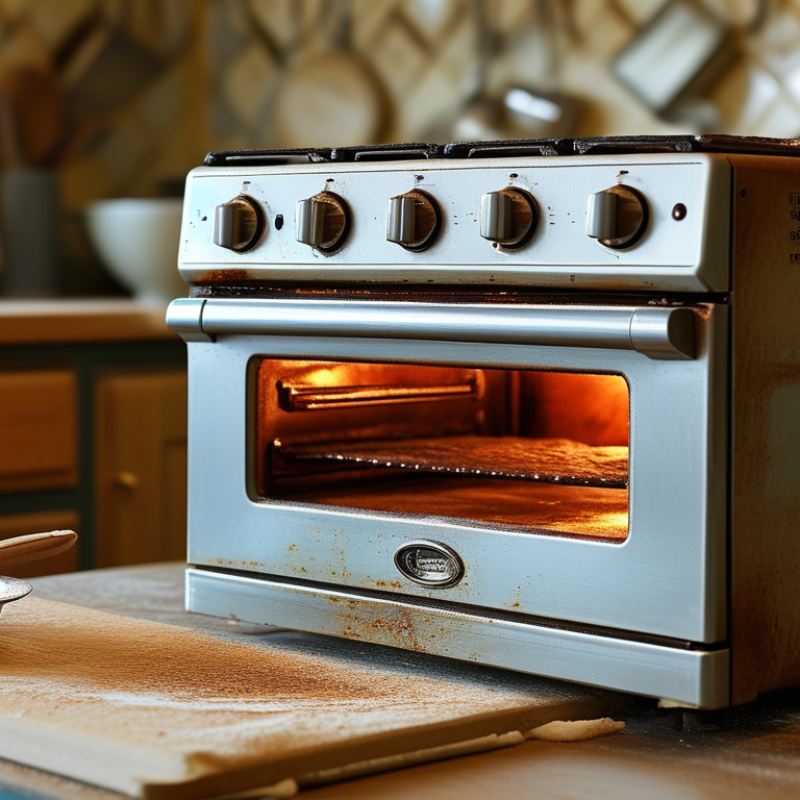
Common Causes of Uneven Oven Cooking
Uneven cooking in ovens can be frustrating. One common cause is temperature calibration issues. Research shows that 30% of home ovens do not reach their set temperature accurately. This can lead to varied baking results. For instance, cookies might burn on the edges but remain raw in the center.
Another issue is the placement of oven racks. If your food is too close to heating elements, it can cook unevenly. Guidelines suggest using the middle rack for more consistent heat distribution. Hot spots can occur due to a lack of airflow. This is particularly true in older models, which often experience thermal inconsistencies.
Additionally, frequent oven door openings can affect cooking times. Each time the door opens, there's a significant temperature drop. This disrupts the cooking process, leading to uneven results. Understanding these factors can help troubleshoot cooking inconsistencies effectively. Regular maintenance and thoughtful usage may improve your baking experience.
Signs Your Oven is Cooking Unevenly
If you notice that your baked goods are coming out unevenly cooked, this could be due to several signs indicating your oven is struggling. One clear sign is browning only on one side. When this happens, it’s usually because of hot spots. You might also find that cakes have risen unevenly or that cookies stay soft in the center. These inconsistencies can lead to frustration in the kitchen.
Tips for assessing your oven include using an oven thermometer. This will help you determine if your oven's temperature is accurate. You can also try the "bake-off" test with a batch of cookies. Place them across different areas of the oven to spot differences. If some cookies turn out perfectly and others burn, your oven likely has issues.
Another common sign is uneven baking times. If dishes take longer or shorter than the recipe suggests, your oven may not be distributing heat evenly. Checking the door seal for gaps can be beneficial, as a damaged seal can lead to heat loss. Additionally, arrange your oven racks carefully. Keeping your oven clutter-free allows for better airflow and even cooking. Addressing these signs early can save many recipes.
How Oven Calibration Affects Cooking Performance
Oven calibration is crucial for achieving consistent cooking results. A miscalibrated oven can vary by as much as 50°F from the set temperature. This inconsistency affects baking times and can lead to unevenly cooked meals. According to a report by the American Society for Testing and Materials, nearly 30% of ovens tested were improperly calibrated.
When your oven’s temperature is off, certain dishes will suffer. Baked goods may not rise properly, resulting in a dense texture. Roasts may be dry on the outside and undercooked within. To avoid these issues, checking your oven's calibration is vital. Use an independent oven thermometer for accuracy.
**Tip:** Regularly calibrate your oven to maintain cooking performance. Adjust settings if your food consistently cooks unevenly.
Feeling that your oven is not heating correctly? One common mistake is to overcrowd oven racks. This can block air circulation, leading to uneven cooking. Ensuring proper airflow is essential.
**Tip:** Place food in a single layer for more even results. Give enough space between items to allow hot air to circulate.
Tips for Efficient Heat Distribution in Your Oven
Uneven cooking in your oven may be due to various factors, such as improper heat distribution or issues with internal components. According to a study by the International Journal of Food Science, nearly 65% of home cooks report experiencing uneven baking results. This can lead to frustration, especially when preparing dishes that require precise temperatures.
To improve heat distribution, consider using convection settings when available. Convection ovens utilize fans to circulate hot air, promoting even cooking. Research from culinary experts indicates that convection can reduce cooking time by 25% and improve browning of foods. Additionally, avoid overcrowding the oven. An overloaded oven may obstruct air circulation, leading to uneven results. Ensure there is adequate space between items on the racks.
Placement within the oven can greatly affect cooking efficiency. Centering your dishes on the rack allows for optimal heat exposure. Regularly check and calibrate your oven's temperature settings, as a significant percentage of ovens can be off by 20 degrees or more. Furthermore, consider rotating trays midway through cooking for an even finish. Addressing these considerations can enhance your baking experience and yield better outcomes.
When to Seek Professional Help for Oven Issues
When your oven cooks unevenly, it's often a sign of underlying issues. Unfortunately, many homeowners overlook these problems until they escalate. For instance, irregular heating could stem from a faulty thermostat. Research shows that about 30% of ovens experience temperature discrepancies due to this. If your baked goods are burnt on one side and undercooked on the other, sensors may be malfunctioning.
Sometimes, calling a professional is essential. If you notice a constant issue despite adjusting cooking times and temperatures, it’s time to act. Industry experts recommend seeking help when you detect strange noises or smoke. The National Association of Home Builders highlights that 40% of oven repairs require professional intervention. Ignoring warning signs can lead to costly repairs down the line.
Regular maintenance checks can prevent many issues. However, if your appliance shows signs of electrical failure or its circuits seem faulty, professional assistance is crucial. Inefficient heating elements may never heat evenly without expert repair. It's not just about fixing the problem; it's about ensuring safety and reliability in your kitchen.
Conclusion
If you're wondering, "Why does my oven cook unevenly?" there are several common causes that could be to blame. Factors like improper oven calibration, faulty heating elements, or a blocked air vent can lead to inconsistent cooking results. You may notice signs such as burned edges on some dishes while others remain undercooked, indicating a need for adjustments or repairs.
To improve heat distribution and ensure even cooking, consider repositioning your oven racks, avoiding overcrowding, and regularly checking the calibration of your appliance. In some cases, it may be necessary to consult with a professional if basic troubleshooting doesn't resolve the issue. Understanding these potential problems and their solutions will help you achieve better cooking performance from your oven.

 K-Mama Cook