China Top 10 How to Get Rid of Mold in an Ice Maker?

Time:2026-10-17 Author:Oliver
0%

Mold in an ice maker is more than an unpleasant sight. It can develop inside damp seals, beneath the ice bin, or around hidden water channels. This article introduces China’s top 10 practical approaches for How to get rid of mold in an ice maker. Each method focuses on safe cleaning, moisture control, and careful inspection. Food-safety expert Dr. Benjamin Chapman offers a useful warning: “Moisture and residue create opportunities for microbial growth.” His point is simple. A clean-looking surface may still hide contamination.

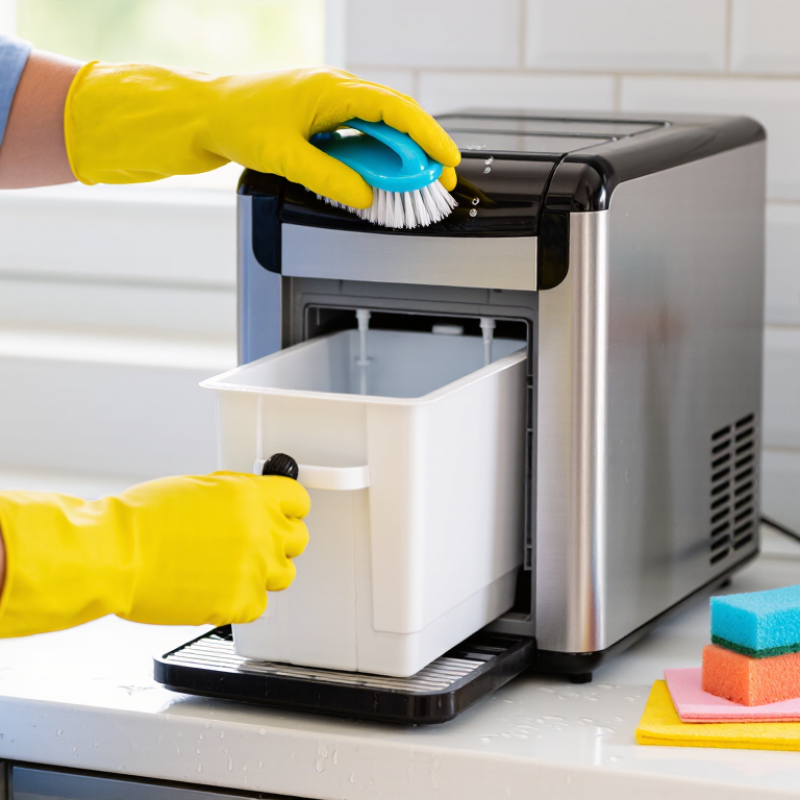
You may notice black specks near the dispenser, a musty smell, or cloudy ice. Stop using the ice immediately. Empty the bin, remove loose parts, and follow the manufacturer’s cleaning instructions. A soft brush can reach narrow grooves around the gasket. Warm water and an approved cleaner help loosen sticky residue. Never mix cleaning chemicals. Rinse every removable part thoroughly, then dry it completely before reassembly. Small details matter.

Some problems are easy to miss.

A quick wipe may remove the visible mold but leave moisture underneath the seal. That mistake can allow growth to return within days. Inspect the drain area, water inlet, and ventilation space. If mold remains inside inaccessible components, professional service may be safer than repeated household cleaning. Replace discarded ice rather than trying to save it. The most reliable solution combines cleaning with prevention: dry the bin regularly, repair leaks, and avoid overfilling it. No method works perfectly for every machine, so careful reflection and model-specific guidance remain essential.
China Top 10 How to Get Rid of Mold in an Ice Maker?

Identify Mold in an Ice Maker Using FDA Food Code Safety Principles

Mold in an ice maker may appear as black, green, or white fuzzy spots. It can also hide inside the chute, gasket, drain, and water reservoir. A musty smell is an important warning. Slimy residue or unusually cloudy ice deserves attention too. However, appearance alone cannot confirm safety. Some contamination is invisible.

The FDA Food Code 2022 requires food-contact surfaces to remain cleanable, smooth, and free from buildup. It also sets cold-holding control at 41°F (5°C) or below under Section 3-501.16. These principles make the ice bin, scoop, seals, and internal water path inspection points. Discard exposed ice before cleaning. Unplug the unit when the manufacturer’s procedure allows it, then scrub removable parts with approved detergent and rinse thoroughly. Sanitizing must follow the product label and local requirements. Never mix chemicals.

The CDC estimates that about 48 million people in the United States experience foodborne illness annually. That figure is not a mold-specific measurement, but it shows why “it looks fine” is weak evidence. In practical inspections, I would check corners with a flashlight and smell the empty bin. A quick wipe is not enough. If mold returns, water remains trapped, or internal areas cannot be cleaned, stop using the machine and request qualified service. My own caution is simple: cleaning frequency should reflect usage, humidity, and drainage, not a convenient calendar.

Discard Contaminated Ice and Disconnect Power Before Cleaning

China Top 10 How to Get Rid of Mold in an Ice Maker?

Moldy ice should never be tasted, rinsed, or returned to the bin. Discard every piece of contaminated ice, including ice that looks clean. Mold spores can spread through melted water and hidden surfaces. Remove the ice basket, scoop, and any detachable parts. Wash them with warm water and an appropriate food-contact cleaner.

Disconnect power before cleaning the ice maker. Turn off the water supply if the unit has one. This prevents accidental operation and reduces electrical risks. Wear gloves, then wipe the interior, ice chute, seals, and water reservoir. A soft brush helps reach corners around the dispenser. Never pour liquid into vents or electrical openings. Rinse removable parts carefully and let everything dry completely.

Tips: Check the drain area and water line for slimy residue. Replace damaged tubing or filters according to the equipment instructions. A strong smell may remain after cleaning. That suggests hidden contamination, not failure in your effort. If mold returns quickly, stop using the machine and request qualified appliance service. A rushed wipe feels tempting, but it is often not enough.

China Top 10: How to Get Rid of Mold in an Ice Maker? — Discard Contaminated Ice and Disconnect Power Before Cleaning

No. Cleaning Action How to Do It Recommended Time Safety Notes
1 Discard all contaminated ice Remove visible moldy, discolored, unusually smelling, or long-stored ice. Empty the ice bin completely. Immediately Do not taste or reuse suspect ice. Place it in a sealed waste bag.
2 Disconnect power and water Switch off and unplug the appliance. If connected to a water line, close the water supply valve. Before cleaning Keep water away from electrical controls, plugs, and outlets.
3 Remove detachable parts Take out the ice bin, scoop, drip tray, removable shelves, and other parts allowed by the user instructions. 5–10 minutes Do not force frozen or fixed components; check the appliance instructions first.
4 Wash removable components Wash parts with warm water and mild dish detergent. Use a clean soft brush to loosen mold and residue. 10–15 minutes Avoid abrasive pads that can scratch food-contact surfaces.
5 Clean the interior surfaces Wipe the ice compartment, door seals, corners, and reachable surfaces with a clean cloth and mild detergent solution. 10 minutes Pay special attention to seams, gaskets, and other damp areas where mold can remain.
6 Use an approved sanitizer if permitted Apply a food-contact-safe sanitizer only according to its label and the appliance instructions. Observe the stated contact time. As labeled Never mix bleach, vinegar, ammonia, detergent, or other chemicals.
7 Rinse food-contact surfaces Rinse surfaces with clean drinking-quality water when required by the cleaner or sanitizer instructions. 5 minutes Chemical residue can affect ice safety, taste, and odor.
8 Clean the water system carefully Follow the appliance’s cleaning-cycle procedure for the reservoir, water line, filter area, and ice-making components. According to instructions Do not pour chemicals into internal tubing unless the instructions specifically permit it.
9 Dry and reassemble Air-dry all cleaned parts completely, then reinstall them with clean hands before restoring power and water. 30–60 minutes Moisture left in seams and seals can encourage mold to return.
10 Flush, restart, and monitor Restart the unit, make the first batch of ice, and discard it. Check later batches for normal appearance, smell, and taste. First 1–2 batches If mold, odor, or discoloration returns, stop using the appliance and arrange qualified service.
Important: If mold is extensive, repeatedly returns, reaches inaccessible internal parts, or is associated with a damaged water line or seal, discontinue use and seek professional inspection. Follow the appliance manufacturer’s cleaning instructions whenever they differ from this general guide.

Wash Removable Parts with Detergent and Water Above 43°C

China Top 10: How to Get Rid of Mold in an Ice Maker?

Wash Removable Parts with Detergent and Water Above 43°C

Mold often hides beneath the ice basket, scoop, and water tray. Unplug the ice maker first. Discard all existing ice. Remove washable parts and rinse away loose residue. Then wash them with detergent and water above 43°C. A kitchen thermometer helps confirm the temperature. Warm water softens sticky biofilm better than cold water, but it does not guarantee complete sanitization.

The 2022 FDA Food Code requires cleaning and sanitizing food-contact surfaces. Detergent removes soil; it does not reliably kill every microorganism. Wash each part with a clean brush, especially around seams and drain openings. Rinse thoroughly, then apply a food-contact-safe sanitizer according to its label. Never mix chemicals. Let the parts air-dry completely before reassembly.

The World Health Organization’s 2009 indoor-air review links dampness and visible mold with higher respiratory risks, sometimes by up to 50 percent. That figure concerns buildings, not ice makers, so applying it directly would be careless. Still, persistent moisture deserves attention. Check the lid seal, water lines, and drip areas for leaks. I have found that rushed drying causes repeat growth. It is an easy mistake. Inspect the machine weekly when humidity or usage is high.

Water Temperature Reference for Ice Maker Mold Cleaning

Use detergent and water above 43°C (109.4°F) when washing removable ice maker parts. The 100°C value represents the boiling point of water at sea level and is shown only as a temperature reference, not as a recommended cleaning temperature.

Sanitize Surfaces Using CDC’s 1-Cup Bleach-per-Gallon Guideline

Mold in an ice maker often hides beneath the ice bin, around the chute, and inside damp rubber seals.

Unplug the machine first, then discard all ice. Wear gloves and improve ventilation before cleaning. Remove washable parts and scrub visible mold with warm water and mild detergent.

Do not mix bleach with ammonia, vinegar, or other cleaners.

For hard, nonporous surfaces, prepare a fresh solution using one cup of household bleach per gallon of water, following the CDC’s mold-cleanup guideline. Apply it with a clean cloth or spray bottle, keeping the surface visibly wet for several minutes.

Check the appliance manual before using bleach inside the machine. Some plastics may discolor or crack.

Never pour the solution into electrical openings or internal tubing.

Rinse every food-contact surface thoroughly with clean water. Dry the parts completely before reinstalling them. Run several ice-making cycles and discard the first batches.

Mold can return when moisture remains trapped, so wipe the bin and seals after cleaning. Small corners are easy to miss.

If mold remains in porous tubing, insulation, or damaged seals, replacement is usually safer than repeated bleaching.

I would not rely on smell alone; a clean-looking surface may still hold residue. Inspect the machine again after a few days.

Rinse, Dry, and Prevent Recurrence Below EPA’s 30–50% Humidity Range

China Top 10 How to Get Rid of Mold in an Ice Maker?

Mold can hide under the ice bin, around the gasket, and inside the water channel. Start with the ice. Discard all exposed ice, then unplug the appliance before cleaning.

Remove the bin, scoop, tray, and other detachable parts. Wash them with warm water and mild dish soap. Use a soft brush for dark seams and corners. Rinse every surface carefully, because cleaner residue can affect ice quality.

For sanitizing, follow the appliance manual and use only a food-contact-safe product. Never mix cleaning chemicals. Wipe the interior, rinse it with clean water, and dry every part completely.

Leave the door or lid open for several hours. A slightly damp gasket can restart the problem. Inspect the drain area, too.

I once overlooked that small channel, and the odor returned within days.

Mold prevention depends on moisture control. Keep indoor relative humidity between 30% and 50%, the range recommended by the U.S. Environmental Protection Agency.

Do not assume lower is always better; excessively dry air can create other household problems. Use a hygrometer near the ice maker and improve ventilation when condensation appears.

Clean spills immediately, replace wet ice, and avoid overfilling the bin.

If mold returns after thorough cleaning, stop using the machine and arrange qualified service. The cause may be a blocked drain, damaged seal, or hidden internal moisture.

FAQS

What does mold in an ice maker look like?

Mold may appear as black, green, or white fuzzy spots. It can hide inside the chute, gasket, drain, or water reservoir. A musty smell matters. Cloudy ice or slimy residue also needs attention. Appearance alone cannot prove safety.

Should I keep ice that looks clean?

No. Discard all ice from a contaminated machine. Mold spores may spread through melted water. Do not taste, rinse, or return the ice. Start fresh after cleaning and sanitizing.

What should I do before cleaning?

Disconnect power when the equipment instructions allow it. Turn off the water supply if applicable. Wear gloves and improve ventilation. Remove the basket, scoop, and detachable parts. Never pour liquid near electrical openings.

How should removable parts be cleaned?

Wash them with warm water and an approved food-contact cleaner. Scrub corners with a soft brush. Clean the chute, seals, drain, and reservoir. Rinse thoroughly. Let every part dry completely.

Can household bleach sanitize an ice maker?

For hard, nonporous surfaces, use one cup of household bleach per gallon of water. Follow the product label and equipment instructions. Keep the surface wet for several minutes. Never mix bleach with vinegar, ammonia, or other cleaners. Never pour bleach into tubing or electrical areas.

What should happen after sanitizing?

Rinse every food-contact surface with clean water. Reinstall only completely dry parts. Run several ice-making cycles. Discard the first batches. Small corners are easy to miss.

Why might mold return after cleaning?

Trapped moisture, poor drainage, damaged seals, or dirty tubing may remain. A strong smell can indicate hidden contamination. Check the drain and water line with a flashlight. Quick wiping is not enough. I sometimes underestimate hidden moisture.

When should I stop using the machine?

Stop use if mold returns quickly or internal areas cannot be cleaned. Replace porous tubing, damaged seals, or affected filters as instructed. Request qualified appliance service when needed. Keep cold-held food at 41°F (5°C) or below. Safety deserves patience.

Conclusion

How to get rid of mold in an ice maker starts with identifying visible mold, unusual odors, or slimy buildup on the ice bin, chute, seals, and internal surfaces. Following basic food-safety principles, discard all potentially contaminated ice and disconnect the appliance from power before cleaning. Remove washable parts and scrub them thoroughly with detergent and water above 43°C to loosen mold, residue, and hidden debris.

After washing, sanitize the interior and removable components with a properly prepared solution based on 1 cup of household bleach per gallon of water, while following safe handling instructions and never mixing bleach with other cleaners. Rinse every treated surface with clean water, allow all parts to dry completely, and reassemble the ice maker only when no moisture remains. To help prevent mold from returning, clean the unit regularly, keep the surrounding area dry, and maintain indoor humidity between 30% and 50%.

Oliver

Oliver

Oliver is a seasoned marketing professional with a wealth of expertise in driving brand awareness and engagement. With a deep understanding of our company's product offerings, he consistently delivers high-quality content that enriches our professional blog. His insights not only shed light on......