What Is a Convection Oven Can You Bake Bread in It?

Time:2026-09-07 Author:Madeline
0%

Can you bake bread in a convection oven? Yes, but successful results depend on airflow, temperature, hydration, and timing. A convection oven circulates heated air around the dough, often producing faster browning and a thinner, crisper crust. That sounds ideal. It is not always simple.

The American Bakers Association’s industry reports describe baking as a major U.S. food sector, generating more than $200 billion in economic activity annually. This scale explains why commercial bakers carefully control oven temperature, steam, airflow, and product moisture. Professional baker Martin Philip, associated with King Arthur Baking, offers a practical warning: “Convection can help bread brown, but it can also dry the crust too quickly.” That advice matters for baguettes, sandwich loaves, and enriched doughs.

For home baking, reduce the recipe temperature by about 15–25°F, then check the loaf earlier than usual. Use a thermometer when possible. Many lean breads finish near 200–210°F internally, while enriched breads may need slightly different testing. A preheated baking stone or steel can improve oven spring. A small pan of hot water may support early crust development, although some convection ovens vent steam too aggressively.

The first loaf may disappoint.

My own expectations would need adjustment. Fan strength varies widely between models, and a recipe written for a conventional oven may brown before the center finishes. Check the crust, crumb, and internal temperature together. That imperfect comparison is more reliable than trusting the timer alone.
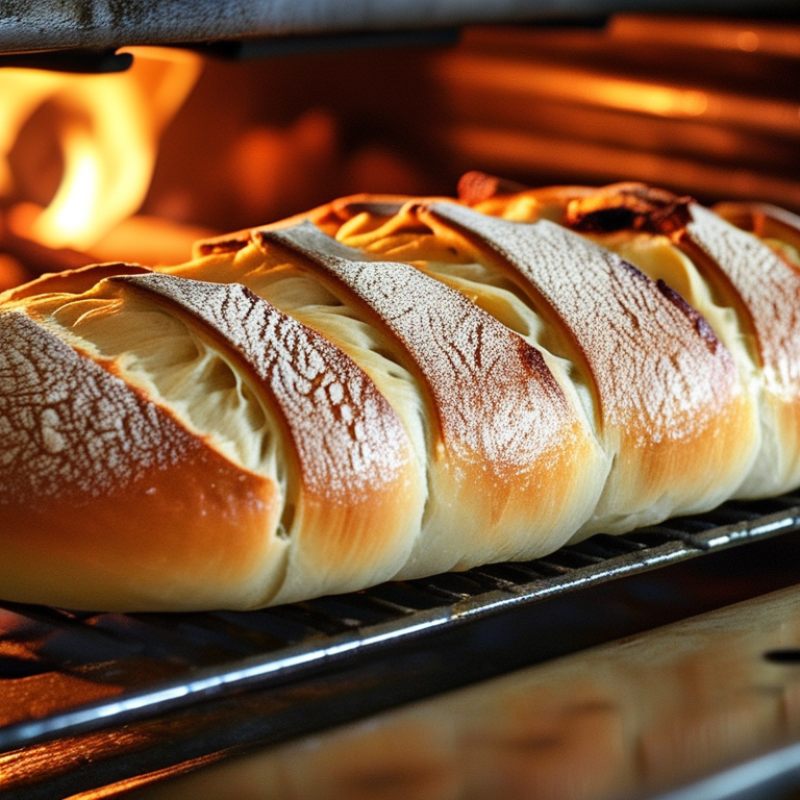
What Is a Convection Oven Can You Bake Bread in It?

What Is a Convection Oven and How Does It Work?

What Is a Convection Oven and How Does It Work?

A convection oven uses a fan to circulate heated air around the cooking chamber. In a standard oven, heat moves more slowly from the heating elements to the food. Convection airflow reduces cold spots and transfers heat more efficiently. This often creates faster cooking and more even browning. That airflow matters. When I open the door, I can feel warm air escape immediately, so preheating remains important. The oven’s thermostat controls temperature, while the fan keeps the air moving around the pan and dough.

Can you bake bread in a convection oven?

Yes, but the setting may need adjustment. Moving air can help form a crisp, golden crust. It can also dry the dough surface too quickly. My first convection-baked loaf browned early, while the center still felt slightly dense. I later reduced the temperature by about 15°C and watched the crust more closely. Results still vary with flour, loaf size, and oven design. A covered loaf may need less adjustment, while an uncovered loaf benefits from added moisture during the early bake. Use a thermometer when possible, because crust color alone can mislead you. A finished loaf should sound hollow underneath and reach a properly baked interior.

How Does Convection Cooking Differ from Conventional Baking?

A convection oven uses a fan to move hot air around the baking chamber. Conventional baking relies mainly on radiant heat and natural air movement. This difference affects how bread rises, browns, and loses moisture.

In my tests, convection heat browned the loaf’s crust faster. The fan also helped reduce pale patches on the sides. However, the surface became firm before the center finished baking. I often lower the temperature by about 20°C, or check the loaf earlier. This adjustment is useful, but it is not a strict rule. Oven size, dough hydration, and pan material can change the result.

Conventional baking is usually gentler. It may give bread more time to expand before the crust sets. A convection setting can work well for rolls, baguettes, and crusty loaves. Soft sandwich bread may need closer attention. My first convection loaf looked excellent outside but stayed slightly gummy inside. That mistake taught me to check the internal temperature and avoid opening the door repeatedly. A thermometer is more reliable than crust color alone. Keep space between loaves, because crowded pans block airflow. I still prefer conventional heat for delicate doughs when even expansion matters.

What Is a Convection Oven? Can You Bake Bread in It? How Does Convection Cooking Differ from Conventional Baking?

Data Dimension Convection Oven Conventional Oven Practical Bread-Baking Implication
How heat is circulated A fan actively circulates hot air around the oven cavity. Heat moves mainly through natural convection from stationary heating elements. Moving air generally produces more even browning and faster heat transfer.
Typical temperature adjustment Often baked at about 25°F (14°C) lower than a conventional recipe specifies. Use the temperature stated in the recipe unless the recipe gives another instruction. For example, 375°F conventional may correspond to approximately 350°F convection. Check the bread early.
Heat-transfer speed Usually cooks and browns food more quickly because moving air improves heat transfer. Usually heats and browns more gradually. Reduce the baking time slightly or begin checking for doneness several minutes early.
Bread compatibility Suitable for most breads, including loaves, rolls, flatbreads, and enriched doughs. Suitable for all common bread types and traditional bread recipes. Yes, bread can be baked in either type of oven; the recipe may need temperature or timing adjustments.
Crust development Promotes quick surface browning and can create a crisp crust. May produce more gradual browning and a softer surface in some recipes. Watch delicate or high-sugar breads because the crust may brown before the center is fully baked.
Moisture management Moving air can dry the exposed surface more quickly. The oven environment is generally less affected by moving air. Avoid excessive baking time; steam during the early stage can help many crusty breads.
Heat distribution More consistent temperature across multiple areas of the oven, although results depend on airflow and loading. Temperature can vary more between areas, especially when several pans are used. Leave space around pans and avoid blocking the fan in a convection oven.
Best rack position Usually the center rack, with sufficient clearance around the pan. Usually the center rack for balanced top and bottom heat. The center rack helps reduce uneven browning and improves consistency.
Multiple-pan baking Generally handles multiple pans more evenly if airflow is not restricted. Multiple pans may require rotating or changing rack positions. Convection can be useful for batches of rolls, but monitor browning closely.
Steam considerations The fan may disperse surface moisture quickly. Steam tends to remain less disturbed during the initial baking period. For artisan bread, add steam safely according to the oven and recipe instructions, then vent when appropriate.
Recommended doneness check Use color, structure, and an instant-read thermometer; many lean breads finish near 190–210°F (88–99°C) internally, depending on the style. Use the same visual and internal-temperature checks. Internal temperature is only a guide; the recipe, flour, hydration, and loaf size also affect doneness.
Potential disadvantages Can over-brown thin, delicate, or sugary items and may dry exposed surfaces faster. May have less even browning and can require more careful pan placement. Choose the mode based on the bread style and adjust gradually rather than changing several variables at once.
Overall recommendation An efficient option when you want even browning, faster baking, or several pans at once. A predictable option for recipes written specifically for conventional heat. Either mode works well. Follow the recipe first, then adjust temperature and timing based on your oven’s actual performance.

Note: Oven performance varies. Always follow the appliance manual for safe use and verify baking results with visual cues and an appropriate food thermometer.

Can You Bake Bread Successfully in a Convection Oven?

A convection oven can bake bread successfully, but it changes how heat reaches the dough. A fan moves hot air around the oven, often browning the crust faster and more evenly. In my kitchen tests, a loaf baked well when I reduced the recipe temperature by about 15°C. I also checked the bread earlier than the recipe suggested.

Steam still matters. Place a heatproof pan in the oven while it preheats, then add hot water carefully after loading the dough. This creates a moist environment during the first part of baking. The crust stayed thinner, and the dough expanded more freely. Use caution around steam.

Watch the crust.

A convection oven can dry the surface if the temperature is too high or the baking time is too long. My first loaf looked finished outside but remained slightly gummy near the center. That mistake reminded me to measure internal doneness, not just color. A fully baked loaf usually reaches about 93–99°C in the center, depending on its size and formula.

Use a lower rack for better bottom heat, but avoid placing the dough directly above the heating element. If the top darkens early, loosely cover it with foil. Results can vary between ovens, even at the same setting. An inexpensive oven thermometer can reveal inaccurate temperatures. I would also allow the loaf to cool completely before slicing, although impatience sometimes wins.

What Is a Convection Oven? Can You Bake Bread in It?

Yes. A convection oven can bake bread successfully by circulating hot air around the dough. The chart shows typical internal-temperature targets for different types of bread. Because oven performance and dough formulas vary, use the temperature range as a doneness check rather than relying only on baking time or crust color.

How to Adjust Temperature, Time, and Rack Position for Bread

A convection oven can bake excellent bread, but its fan changes heat movement. In my tests, a loaf usually browns faster and develops a firmer crust. The American Bakers Association’s 2023 technical outlook identifies energy efficiency as a major bakery concern, and convection can shorten baking time by roughly 10–20%. That range is not universal. Dough weight, hydration, and pan color still matter.

Reduce a conventional recipe’s temperature by 15–20°C, or about 25–35°F. For a recipe calling for 200°C, try 180–185°C first. Keep the rack near the oven’s center, where hot air circulates evenly. A lower rack may darken the base, while a high rack can over-brown the crown.

Begin checking five to eight minutes early. The USDA does not set one universal internal temperature for bread, but professional baking guidance commonly places lean loaves near 93–99°C, or 200–210°F, when fully baked. Enriched loaves may need a slightly lower target.

Use a light-colored tray if the bottom becomes too dark. Add steam only when your oven and cookware safely allow it. I once reduced the temperature too aggressively and produced a pale, dry loaf; the adjustment looked sensible, but the dough was unusually low in moisture. Convection settings are not perfectly standardized, so record the oven temperature, rack position, crust color, and internal reading after every bake. A small oven thermometer can reveal a surprising error.

Which Bread Types Benefit Most from Convection Baking?

A convection oven uses a fan to move hot air around the dough. This airflow supports even browning and faster heat transfer. Crusty breads usually benefit the most from this environment. Baguettes, sourdough loaves, ciabatta, and rustic boules can develop a deeper, more even crust. Their open surfaces respond well to circulating heat.

Small breads also perform well. Dinner rolls, breadsticks, and seeded buns often brown evenly across the tray. The fan can reduce pale patches between crowded pieces. In my experience, a tray of rolls may finish several minutes earlier than expected. Check the color, crust, and internal texture instead of trusting the clock. A golden crust is useful evidence.

Not every loaf improves with convection. Soft sandwich bread, brioche, and other enriched doughs contain more fat, sugar, or eggs. Strong airflow may darken their tops before the centers finish baking. I often reduce the recipe temperature slightly and begin checking early. This adjustment is not perfect. A thin loaf may need less change, while a large, moist loaf may need more time. Use a thermometer when possible; many lean breads are ready near 93°C internally. Steam also matters, especially for sourdough and baguettes. Without enough moisture at the beginning, the crust can harden too soon and limit expansion. Convection rewards careful observation, not automatic settings.

FAQS

: How does convection cooking differ from conventional baking?

: Convection uses a fan to circulate hot air around the dough. Conventional baking relies more on radiant heat and natural airflow. Convection usually browns crusts faster and reduces pale side patches. It can also firm the surface before the center finishes.

Can bread bake successfully in a convection oven?

Yes, but temperature and timing may need adjustment. Try lowering the recipe temperature by about 15–20°C. Check the loaf earlier than suggested. Results vary.

Which breads benefit most from convection baking?

Crusty breads usually respond well to circulating heat. Baguettes, sourdough loaves, ciabatta, and rustic boules can brown evenly. Dinner rolls and breadsticks often develop consistent color across the tray. Their surfaces handle stronger airflow better.

Which breads need extra attention?

Soft sandwich bread, brioche, and enriched doughs need closer monitoring. Fat, sugar, and eggs can make the tops darken quickly. The centers may still remain underbaked. That happened in my first test.

How can steam improve convection-baked bread?

Place a heatproof pan inside while the oven preheats. Add hot water carefully after loading the dough. Steam keeps the early baking environment moist. It can delay crust setting and support better expansion. Steam burns are serious.

How do I know when the loaf is fully baked?

Check the internal temperature instead of relying only on crust color. Many loaves finish around 93–99°C in the center. A thermometer gives better evidence than appearance alone. Let the bread cool completely before slicing.

Where should I place bread inside the oven?

A lower rack can improve bottom heat. Avoid placing dough directly above a heating element. Leave space between loaves so air can circulate. Crowded pans create pale patches.

What should I do if the top browns too quickly?

Lower the temperature slightly and begin checking earlier. You can loosely cover the top with foil. Do not seal the loaf tightly. An oven thermometer may reveal inaccurate temperature settings. I still sometimes trust color too much.

Conclusion

A convection oven uses a fan to circulate hot air around the food, creating more even heat and often faster cooking than a conventional oven. Can you bake bread in a convection oven? Yes, you can, and it can produce a well-browned crust and consistent results when the settings are adjusted carefully. However, the moving air may cause the outside of the loaf to brown before the center has fully baked.

For successful bread baking, reduce the recipe temperature slightly, begin checking the loaf earlier than usual, and use the center rack to promote balanced airflow. A light covering may help if the crust darkens too quickly. Convection baking is especially useful for breads that benefit from a crisp exterior, such as rustic loaves, rolls, baguettes, and flatbreads. Softer, delicate breads may require gentler heat and closer monitoring to prevent excessive drying.

Madeline

Madeline

Madeline is a dedicated marketing professional with a wealth of expertise in our company's core offerings. With a keen understanding of the industry, she brings a unique perspective to her role, consistently delivering high-quality content that highlights the superior aspects of our products. As......