Brewing coffee is an art and a science. The ideal extraction of coffee flavors relies on various factors, one of the most critical being temperature. Data from the Specialty Coffee Association suggests that the optimum temperature range for brewing coffee is between 195°F and 205°F (90°C to 96°C). This range ensures maximum flavor extraction without scalding the coffee grounds.
But what is the best temperature for brewing coffee? Many coffee enthusiasts experiment within this range. Some argue for slightly lower temperatures to highlight delicate notes, while others prefer hotter brews for bold flavors. This variability can lead to inconsistent results, highlighting the challenge of perfecting your brew.
Coffee professionals often emphasize the importance of precision. A temperature deviation of just a few degrees can drastically change the final cup's taste profile. While many resources are available, understanding personal preferences is essential in finding the perfect temperature. With ongoing research and personal experimentation, your ideal brewing temperature can evolve, making your coffee experience uniquely yours.
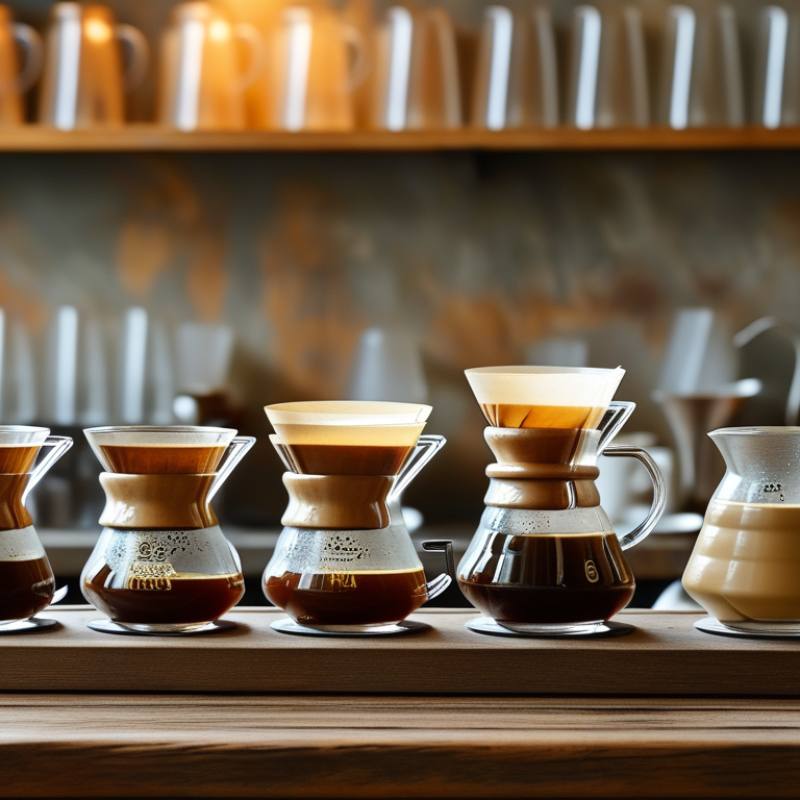
Brewing coffee is an art and a science. The temperature of the water plays a critical role in the extraction process. Higher temperatures can extract oils and flavors, enhancing the taste. However, temperatures that are too high can lead to over-extraction, resulting in bitterness. Industry standards suggest that the optimal brewing temperature ranges from 195°F to 205°F (90°C to 96°C). This range helps achieve a balanced extraction, capturing the full spectrum of flavors in the coffee grounds.
Several factors affect coffee extraction temperatures. The grind size, brew method, and coffee bean type all play a part. Finer grinds tend to extract more quickly, necessitating slightly lower temperatures to avoid bitterness. Conversely, coarse grinds require higher temperatures to fully release their flavors. A research study from the Specialty Coffee Association highlights that a slight variation in temperature, even by 5°F, can impact the extraction yield significantly, changing the flavor profile.
Furthermore, the brewing time alters temperature effects. Longer brewing times often favor cooler temperatures to prevent over-extraction. However, the optimal brewing time varies greatly among different methods. Some brewing methods, like pour-over, maximize flavor at lower temperatures, while others, like espresso, thrive at higher settings. Understanding these dynamics can lead to a more enjoyable coffee experience.
| Brewing Method | Optimal Temperature (°F) | Extraction Time (minutes) | Flavor Profile |
|---|---|---|---|
| French Press | 195 - 205 | 4 | Full-bodied, Rich |
| Pour Over | 190 - 205 | 2.5 - 4 | Clean, Crisp |
| Espresso | 190 - 205 | 25 - 30 | Intense, Bold |
| Cold Brew | Not Applicable | 12 - 24 | Smooth, Less Acidic |
| AeroPress | 175 - 200 | 1 - 2 | Balanced, Versatile |
: The optimal range is usually between 195°F to 205°F (90°C to 96°C). This temperature helps extract full flavor.
Temperature affects flavor extraction. Low temperatures can miss rich notes, while high temperatures may lead to bitterness.
Investing in a good thermometer is essential. It helps to hit the right temperature consistently for better results.
Yes, lighter roasts thrive at lower temperatures, while darker roasts can be brewed at slightly higher temperatures.
Grind size is crucial. Finer grinds extract flavors quickly, while coarser grinds need hotter water for optimal extraction.
Take notes on each brew. Record temperature, grind size, and taste to see how adjustments affect your coffee's profile.
Over-extraction may occur, leading to bitter flavors that can overshadow the coffee's natural profile.
Yes, tasting helps you develop preferences. Reflect on how changes impact your coffee experience and adjust accordingly.
Many forget to adjust temperature based on grind size. This interplay is vital for achieving the perfect cup.
Absolutely! Experimenting with temperatures and grind sizes is encouraged for a more personalized brewing experience.
When exploring "What is the best temperature for brewing coffee," several critical factors must be considered. Various elements influence coffee extraction temperatures during brewing, including the type of coffee beans, grind size, and brewing method. Experts recommend an optimal temperature range of 195°F to 205°F (90°C to 96°C) for brewing, as this range enhances flavor extraction while preventing undesirable bitterness and acidity.
Additionally, the impact of water temperature on the flavor profiles of different coffee beans plays a significant role in achieving the perfect cup. Scientific studies have demonstrated a correlation between brew temperature and caffeine extraction, indicating that higher temperatures can yield more caffeine but may also alter taste. To ensure precision in brewing, techniques for accurately measuring and adjusting temperatures are essential, enabling coffee enthusiasts to achieve their ideal brew consistently.

 K-Mama Cook