When considering the question, "Can you bake bread in a convection oven?" many home bakers find themselves intrigued. Convection ovens utilize a fan to circulate hot air, promoting even cooking and browning. This technology can lead to deliciously crisp crusts that are often sought after in artisanal bread.
However, baking bread in a convection oven comes with its own set of challenges. For instance, adjusting the temperature and cooking time is crucial. The fan can dry out the dough if it's not monitored closely. Some bakers have reported uneven rises, leading to breads that may not meet their expectations.
It’s essential to remember that every oven behaves differently. Experimenting with your specific model can reveal its strengths and weaknesses. With practice and patience, you can create delightful loaves. Understanding how your convection oven functions will help you develop the perfect baking technique. So, can you successfully bake bread in a convection oven? The answer is a resounding yes, with a little bit of effort and adaptation.
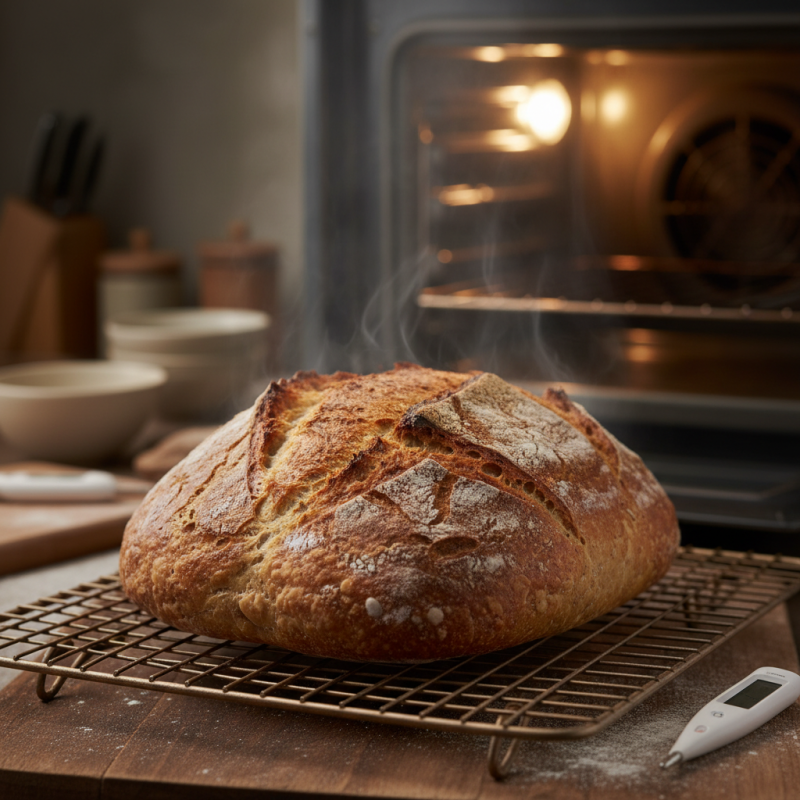
Convection ovens are interesting gadgets. They use a fan to circulate hot air. This allows for even cooking and crisp results. When you bake bread, this can enhance texture and flavor. The constant air movement helps create a nice crust. However, the heat distribution can be tricky for beginners.
It's essential to adjust temperatures when baking bread in a convection oven. Standard recipes often assume still air. This means that bread may bake faster or unevenly. You may need to decrease the temperature by 25°F. Monitor the progress closely. Some areas could brown more quickly, while others remain pale.
Trial and error will be part of your baking journey. Keep a close eye on your dough. Check for ideal rise and texture. Don’t be discouraged by failures. Each loaf teaches you something new. Experimenting with time and temperature will improve your skills. Every bake is a unique experience, so embrace it.
When you're preparing dough for baking in a convection oven, there are several techniques to ensure your bread turns out perfectly. First, you need to choose the right flour. High-protein flour gives your bread the structure it needs. Kneading the dough is crucial. It develops gluten, allowing the bread to rise nicely. Pay attention to the dough’s texture; it should be smooth and elastic.
Tips for a successful bake include adjusting the temperature. Convection ovens distribute heat evenly but can dry out bread. Lowering the temperature by about 20°F can help retain moisture. Also, preheating the oven is essential. A hot oven promotes better oven spring, leading to a lighter loaf.
Another trick is to use steam. Introducing steam in the first few minutes of baking helps create a crispy crust. You can achieve this by placing a pan of water at the bottom of the oven. Be mindful of overbaking; the ideal crust should be golden brown and firm yet soft inside. Reflecting on these details can make a real difference in your baking process.
Baking bread in a convection oven can be rewarding but requires careful adjustments. Convection ovens circulate hot air, affecting how heat reaches the dough. This can lead to uneven baking if not addressed.
To achieve the best results, you might need to reduce the temperature by around 25°F compared to conventional ovens. Industry experts suggest that baking bread at 375°F in a convection oven often yields a perfect crust while ensuring the inside is fully cooked. Monitoring baking time is essential. Typically, bread may bake faster in a convection setting, sometimes requiring 10-15% less time. Regular checks can prevent overbaking.
It's important to remember that every convection oven behaves differently. Variations in airflow and heating elements can impact the final product. Bakers should experiment with their specific oven to find the ideal temperature and time. Some may find themselves puzzled by bread that turns out too dry or has an uneven crust. Adjustments are part of the learning curve in this baking journey, leading to satisfying outcomes.
Baking bread in a convection oven can be delightful, but there are common pitfalls to watch for. One prevalent mistake is not adjusting the temperature. Convection ovens cook differently. You often need to lower the temperature by about 25°F from traditional settings. Ignoring this tip can lead to overcooked crusts.
Another frequent error involves neglecting to monitor the baking time. Convection ovens circulate air, which can speed up cooking. If you stick to the original recipe's time, your bread might bake unevenly. You may end up with a loaf that’s too dry. Use a timer but check your bread a few minutes earlier.
It’s also easy to overcrowd the oven. This can hinder air circulation, leading to inconsistent baking. Bread needs space to rise and develop texture. If your oven feels cramped, you might have to bake in batches. Remember, baking is as much about trial and error as it is about following recipes. Learn from your experiences for better results next time.
Baking bread in a convection oven can yield different results based on the type of bread used. Generally, breads with a crusty exterior, like baguettes or sourdough, benefit from the even heat distribution and air circulation. According to a 2021 industry report, convection ovens can improve crust formation by up to 30%. This is due to their ability to maintain consistent temperatures while reducing baking time.
However, lighter breads like sponge or brioche may not perform as well in a convection setting. They require gentle heat to rise properly. Bakers often find that convection can over-dry these delicate loaves. This can lead to disappointing textures. Understanding these differences can enhance baking results.
Experimentation is key. Not every bread will behave the same in a convection oven. Many bakers recommend adjusting time and temperature settings. Reducing the temperature by 25°F often helps achieve better outcomes for sensitive doughs. Also, using a pan to shield the bread’s top can prevent burning. Testing these methods helps refine the baking process.
: Lower the temperature by about 25°F compared to traditional settings to avoid overcooked crusts.
Convection ovens cook faster, so check the bread a few minutes early to prevent dryness.
No, overcrowding can hinder air circulation and result in uneven baking. Bake in batches if needed.
Crusty breads like baguettes and sourdough benefit from the even heat and air circulation.
Not always. Lighter breads may dry out quickly and require gentler heat.
Reduce the temperature and consider using a pan to shield the top from burning.
Check your oven space, and avoid overcrowding to ensure proper air flow for even baking.
Yes, baking involves experimentation. Learn from mistakes to improve future results.
Yes, they can improve crust formation by maintaining consistent temperatures and reducing baking time.
Sticking strictly to the original baking time without considering convection efficiency can lead to failure.
Baking bread in a convection oven can be both convenient and effective when you understand its unique cooking mechanisms. Convection ovens circulate hot air, allowing for more even cooking and often faster baking times. When preparing dough specifically for convection ovens, it's vital to adopt techniques that ensure optimal rise and texture. Adjusting baking temperatures and times is also crucial, as convection ovens typically require lower temperatures compared to traditional ovens.
Common mistakes, such as overcrowding the oven or failing to monitor dough closely, can lead to unsatisfactory results. Additionally, different types of bread have varying compatibility with convection baking; understanding these nuances can enhance your baking experience. Ultimately, "Can you bake bread in a convection oven" is not just a question of feasibility, but also one of technique and knowledge, paving the way for delicious homemade bread.
K-Mama Cook